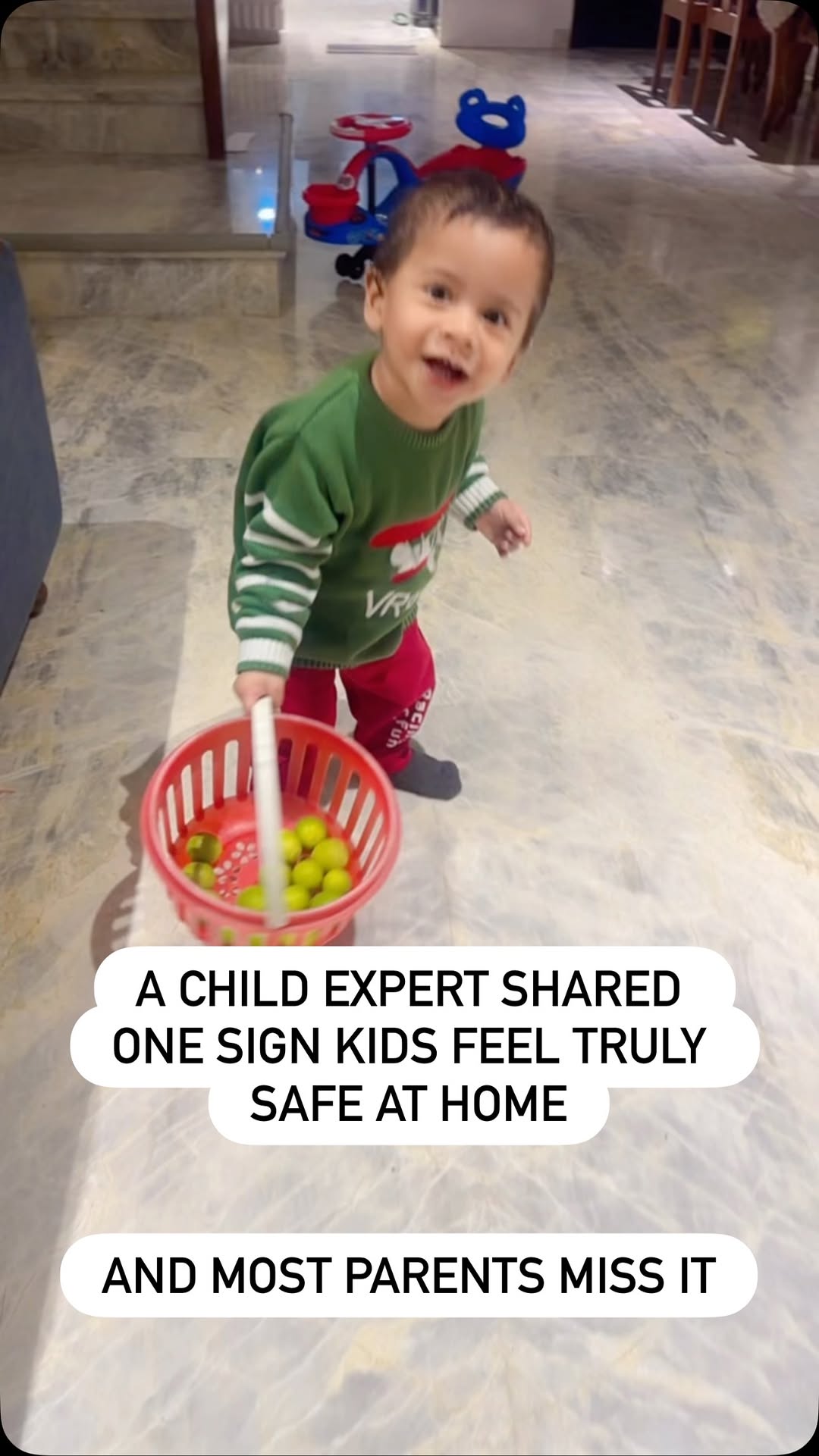
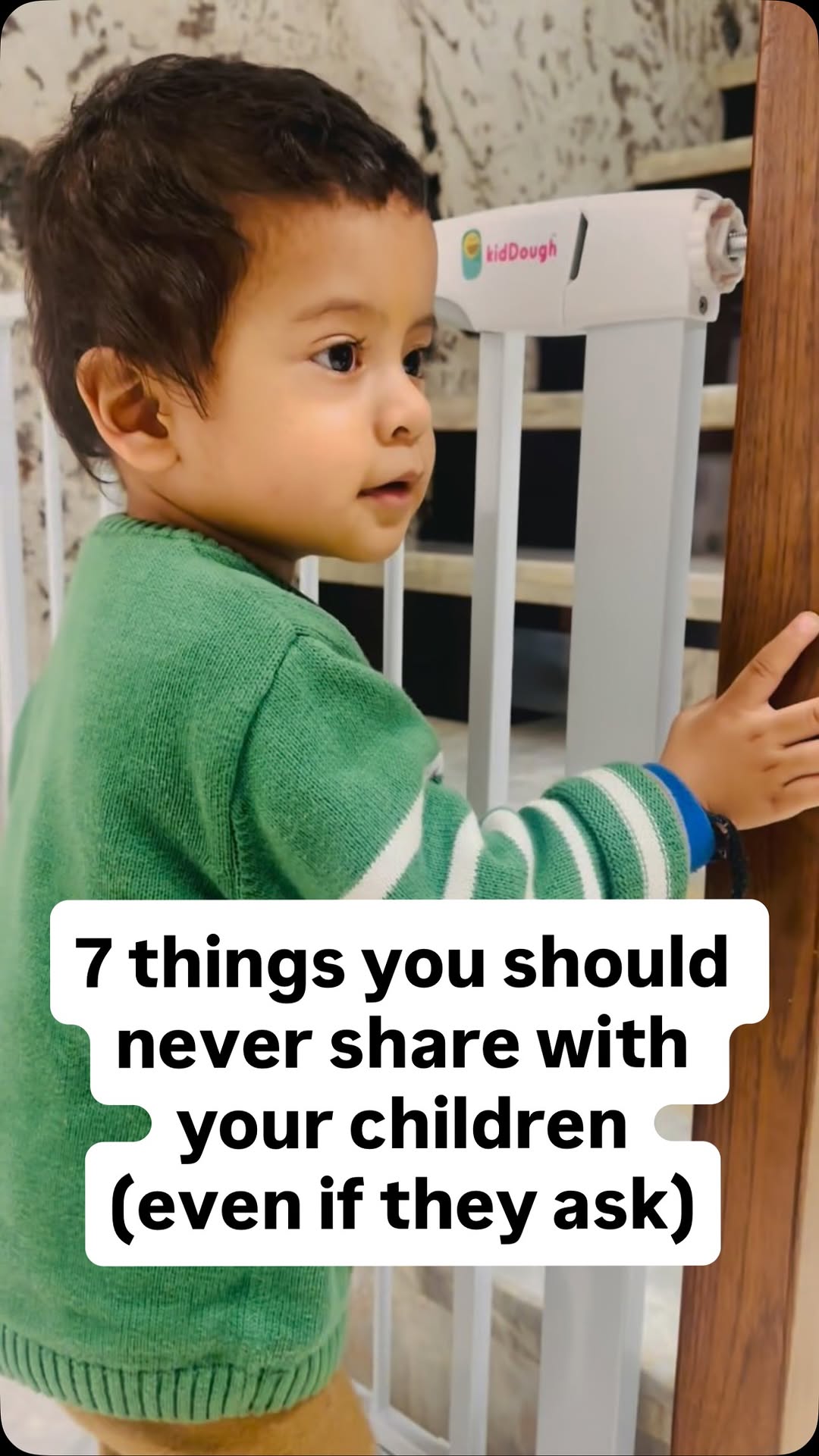
We’re taught to look for calm, quiet kids. But neuroscience shows: A safe nervous system doesn’t shut down…it opens up. Safety looks active, not silent. Sign 1. MOVEMENT Children who feel safe move freely at home. They hum. Pace. Talk out loud. Switch activities. Make noise. That movement isn’t chaos, it’s nervous system that isn’t on alert. A relaxed body explores. Quiet compliance often looks peaceful. But it can also be vigilance. Sign 2. QUESTIONS Safe kids ask “too many” questions. Even silky ones. Even repetitive ones. Even at inconvenient times. Curiosity requires safety. Studies show children who feel emotionally secure ask more questions and engage in exploratory learning. When kids don’t feel safe, they stop asking…and start watching. Silence often looks like maturity. But it’s usually caution. Sign 3. AFTER MISTAKES Watch what happens after your child messes up. Do they hide? Freeze? Or come back to you? Securely attached children recover from mistakes faster because their nervous system expects repair, not punishment. Returning after a mistake is a learned safety signal. Sign 4. BIG EMOTIONS AT HOME Kids who feel safest at home show their biggest emotions there. That’s why the “best-behaved” kids often melt down after school. Their body held it together all day. Home is where it finally exhales. Meltdowns aren’t manipulation. They are nervous system release. Sign 5. PREDICTABILITY Safety doesn’t come from perfect parenting. It comes from predictable responses: -Calm tone -Clear limits -Repair after conflict When kids know what to expect, their nervous system relaxes. Safety isn’t taught through lectures. It’s built through repetition. Children raised in emotionally safe environments show: •Better emotional regulation •Higher resilience •Stronger relationships later in life. Not because they were controlled…but because they were understood. Safety shapes the brain. If your child: -Talks constantly -Makes mistakes and comes back -Asks endless questions -Falls apart at home You’re not failing. You might be their safest place. #gentleparenting #parentingtips #parentingadvice #momoftoddlerlife #raisingkindhumans
 48
48  5
5 This post was published on 05th January, 2026 by Megha on her Instagram handle "@baby_vayu_garg (Vidyut Garg)". Megha has total 1.1K followers on Instagram and has a total of 288 post.This post has received 48 Likes which are greater than the average likes that Megha gets. Megha receives an average engagement rate of 3.66% per post on Instagram. This post has received 5 comments which are greater than the average comments that Megha gets. Overall the engagement rate for this post was lower than the average for the profile. #parentingtips #momoftoddlerlife #gentleparenting #parentingadvice #raisingkindhumans has been used frequently in this Post.
17 4  01-04-2026 32 2 31-03-2026 45 0 30-03-2026 44 2 29-03-2026 68 6 28-03-2026 30 2 27-03-2026 45 2 26-03-2026 28 2 25-03-2026 67 4 22-03-2026 20 2 20-03-2026 20 2 19-03-2026 27 0 18-03-2026 58 4 17-03-2026 28 2 16-03-2026 26 2 15-03-2026 20 0 14-03-2026 40 6 13-03-2026 22 2 12-03-2026 23 4 11-03-2026 26 2 07-03-2026 22 0 03-03-2026 113 0 02-03-2026 65 2 28-02-2026 32 2 27-02-2026 46 2 25-02-2026 39 4 24-02-2026 36 0 23-02-2026 70 0 22-02-2026 44 3 19-02-2026 322 2 16-02-2026 40 7 14-02-2026 31 2 12-02-2026 62 6 11-02-2026 25 4 10-02-2026 38 0 05-02-2026 74 0 04-02-2026 49 2 03-02-2026 18 5 02-02-2026 50 2 01-02-2026 29 4 01-02-2026 31 2 31-01-2026 3.9K 47 30-01-2026 35 4 29-01-2026 28 0 28-01-2026 29 2 27-01-2026 37 4 26-01-2026 50 2 25-01-2026 105 2 24-01-2026 22 0 23-01-2026 57 2 22-01-2026 12.3K 60 21-01-2026 114 2 20-01-2026 60 0 19-01-2026 38 3 17-01-2026 69 2 10-01-2026 525 1 08-01-2026 756 13 03-01-2026 256 4 02-01-2026 53 0 01-01-2026