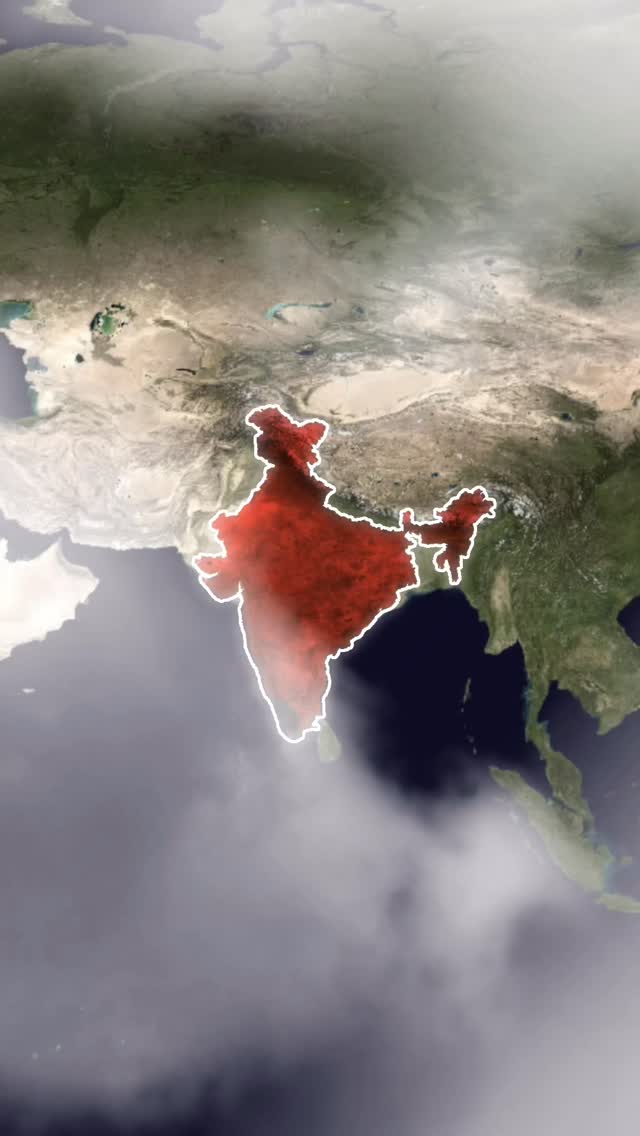
India–EU FTA is not noise. It’s a structural shift. Textiles get tariff relief and faster access to premium EU markets. Leather sees cost parity and demand revival. Gems and jewellery gain duty cuts that protect margins and global competitiveness. Electronics move closer to Europe’s supply chain with lower entry barriers. Chemicals benefit from smoother regulations and scale exports. Pharma gets stronger market access with quality-led growth. Engineering exports step into high-value projects with fewer trade frictions. This deal is about one thing: Indian manufacturing moving up the value chain. Lower duties, wider markets, tougher standards, bigger opportunities. The winners will be businesses that adapt early, invest in compliance, and think global. Disclaimer This content is for educational and informational purposes only. It does not constitute trade, investment, tax, or legal advice. Trade agreements are subject to negotiations, timelines, and policy changes. Please consult a qualified professional before making business or investment decisions. ( India EU FTA, India Europe trade agreement, textile exports, leather industry India, gems and jewellery exports, electronics manufacturing India, chemical exports, pharmaceutical exports, engineering exports, tariff reduction, export growth, global trade, manufacturing competitiveness, supply chain shift, trade policy India, EU market access )
 58
58  12
12 This post was published on 27th January, 2026 by Aarchit on his Instagram handle "@wealthophile (AARCHIT SHARMA | FINANCE 🧿)". Aarchit has total 111.8K followers on Instagram and has a total of 131 post.This post has received 58 Likes which are lower than the average likes that Aarchit gets. Aarchit receives an average engagement rate of 3.42% per post on Instagram. This post has received 12 comments which are lower than the average comments that Aarchit gets. Overall the engagement rate for this post was lower than the average for the profile.
90 5  19-05-2026 223 0 17-05-2026 274 7 09-05-2026 314 6 29-04-2026 345 4 27-04-2026 492 2 16-04-2026 251 7 15-04-2026 1.3K 132 12-04-2026 1.3K 209 10-04-2026 222 4 30-03-2026 155 1 27-03-2026 294 32 26-03-2026 176 10 25-03-2026 1.6K 45 24-03-2026 4.6K 732 23-03-2026 21.8K 857 22-03-2026 218 19 19-03-2026 521 27 17-03-2026 99 20 16-03-2026 131 21 16-03-2026 52 0 13-03-2026 175 17 10-03-2026 218 26 09-03-2026 959 28 08-03-2026 121 28 07-03-2026 237 20 01-03-2026 153 98 28-02-2026 232 4 27-02-2026 476 27 26-02-2026 532 104 25-02-2026 13.7K 1.3K 24-02-2026 782 65 23-02-2026 57.1K 2.3K 22-02-2026 55.7K 2.1K 21-02-2026 115 7 20-02-2026 73.4K 3.7K 19-02-2026 14.4K 1.1K 18-02-2026 246 1 17-02-2026 47.1K 32.2K 12-02-2026 15.5K 151 09-02-2026 287 166 05-02-2026 197 8 04-02-2026 179 12 03-02-2026 60 4 29-01-2026 55 5 05-01-2026 65 1 05-01-2026 175 10 05-01-2026 3.0K 1.1K 04-01-2026 76 0 04-01-2026 112 23 01-01-2026 46 1 31-12-2025 421 47 30-12-2025 108 10 29-12-2025 120 74 28-12-2025 3.8K 1.6K 25-12-2025 82 55 25-12-2025 125 30 24-12-2025 135 4 24-12-2025 3.0K 438 19-12-2025