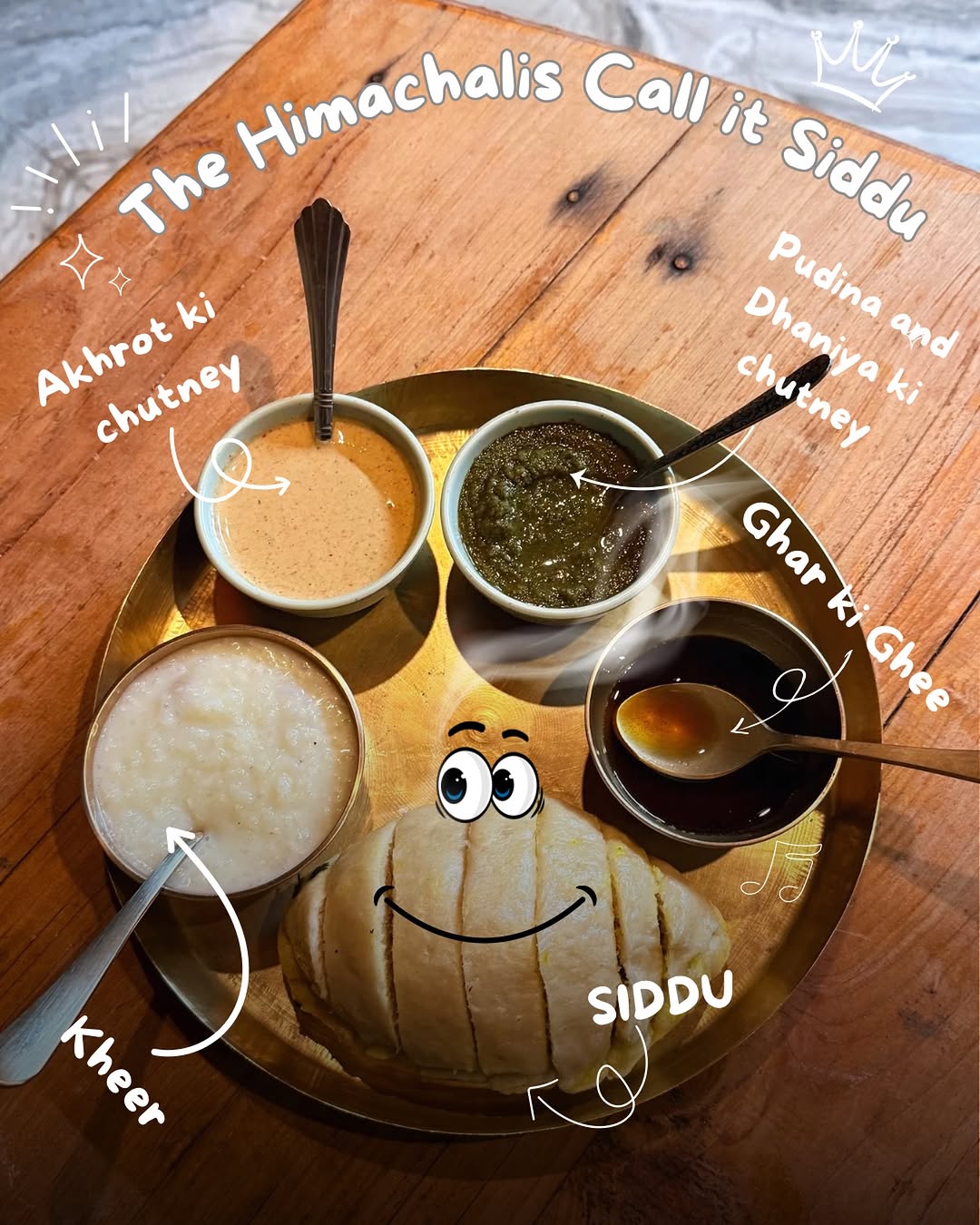
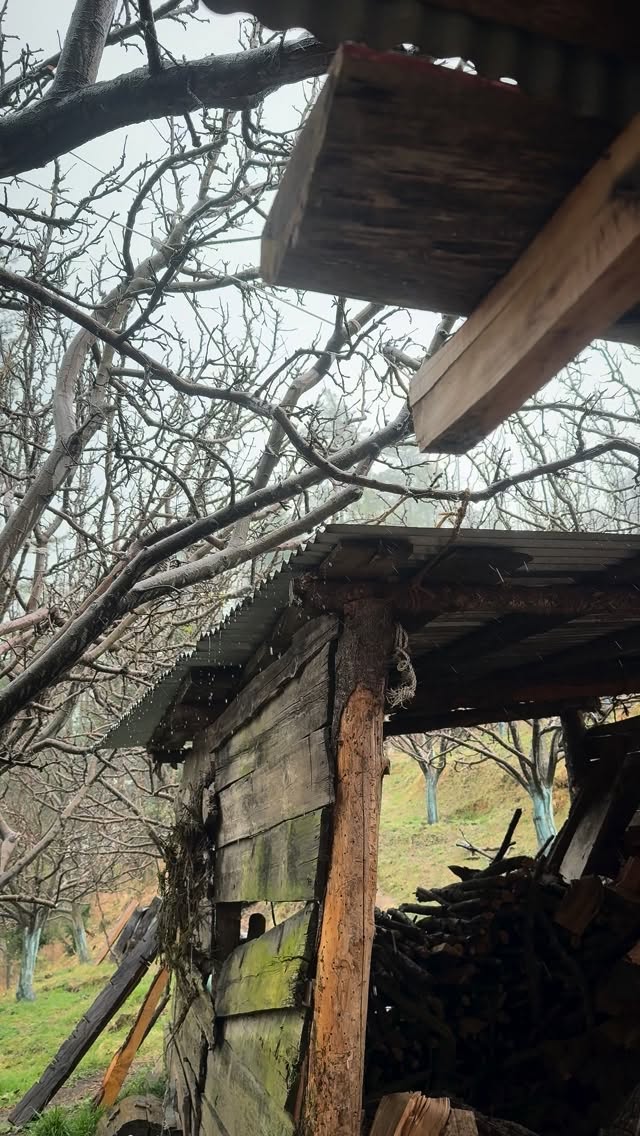
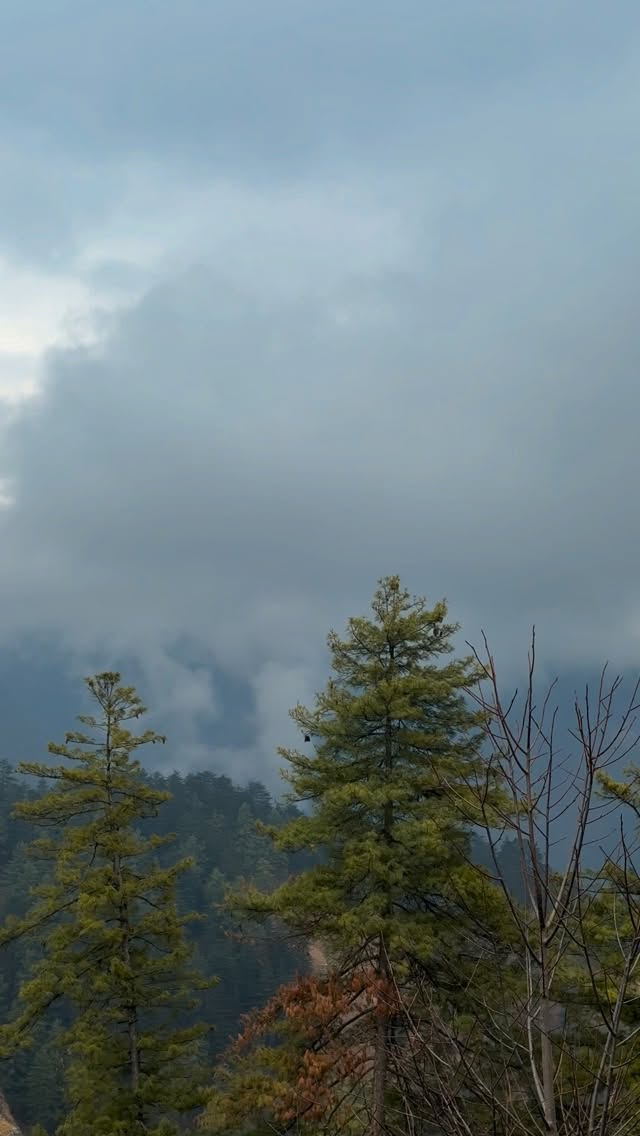
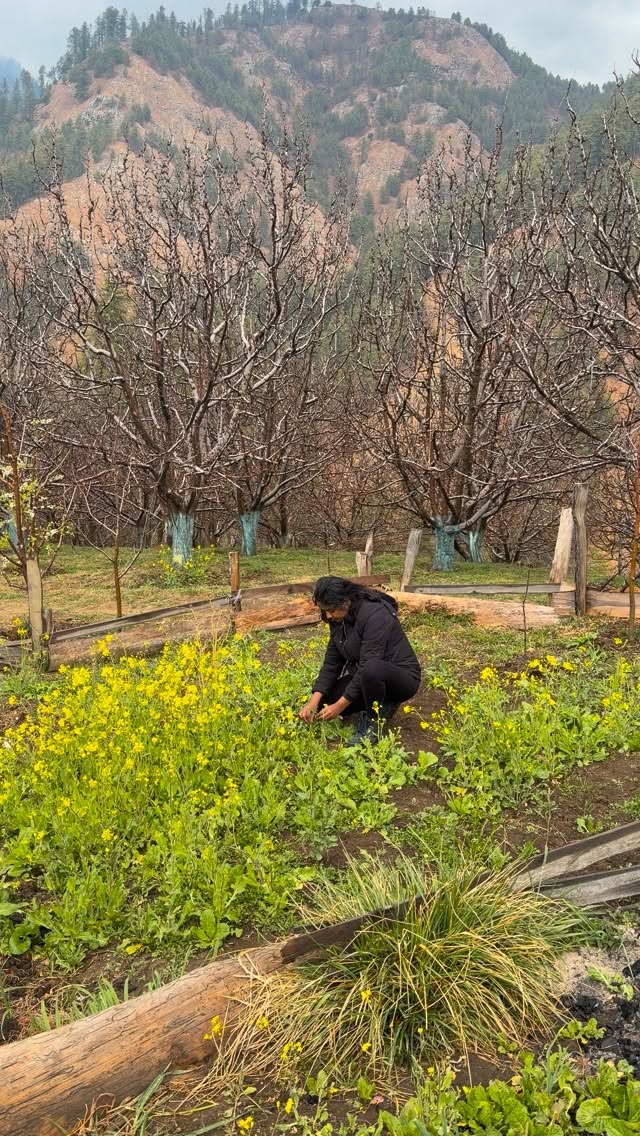
Siddu comes from the word “siddhna” or “sidhna”. Local dialect uses this term for cooking food through steam until it becomes fully done. It stands as one of the most traditional foods from Himachal Pradesh. People prepare it mainly in the regions of Kullu, Manali, Mandi, and Shimla. Mountain households eat it during winters since the dish gives energy and warmth in cold climate. Siddu looks like a thick steamed bread made from wheat flour. The dough ferments for several hours. After fermentation, people fill it with a mixture of crushed walnuts, poppy seeds, roasted gram, or lentil paste. They then steam the dough instead of frying or baking it. This method keeps the food soft and dense. The origin of siddu connects with the mountain lifestyle of Himachal. Wheat farming remained common in valleys such as Kullu and Mandi for centuries. Local communities needed food which stayed filling for long hours while working in fields or walking across mountains. Fermented wheat dishes solved this need. Fermentation also helped digestion in cold regions where heavy foods dominate daily meals. Before gas stoves reached villages, people cooked siddu in traditional mud kitchens called chulha. The dough rested near the warmth of the fire for fermentation. After fermentation, the stuffed dough steamed slowly over boiling water. Families often served siddu with homemade ghee, green chutney, or mutton curry. Siddu shows similarities with Tibetan steamed breads and Nepalese fermented dishes. Local ingredients such as walnuts and poppy seeds shaped its unique Himachali taste. Siddu also holds cultural value in many villages. People prepare it during festivals, family gatherings, and winter evenings. In farming communities, women often make large batches after wheat harvest season. Today siddu remains a symbol of Himachali mountain cuisine. Restaurants in places such as Kullu and Manali serve it for visitors. Despite tourism growth, many homes still prepare siddu using the same slow fermentation and steaming process passed through generations.
 24
24  0
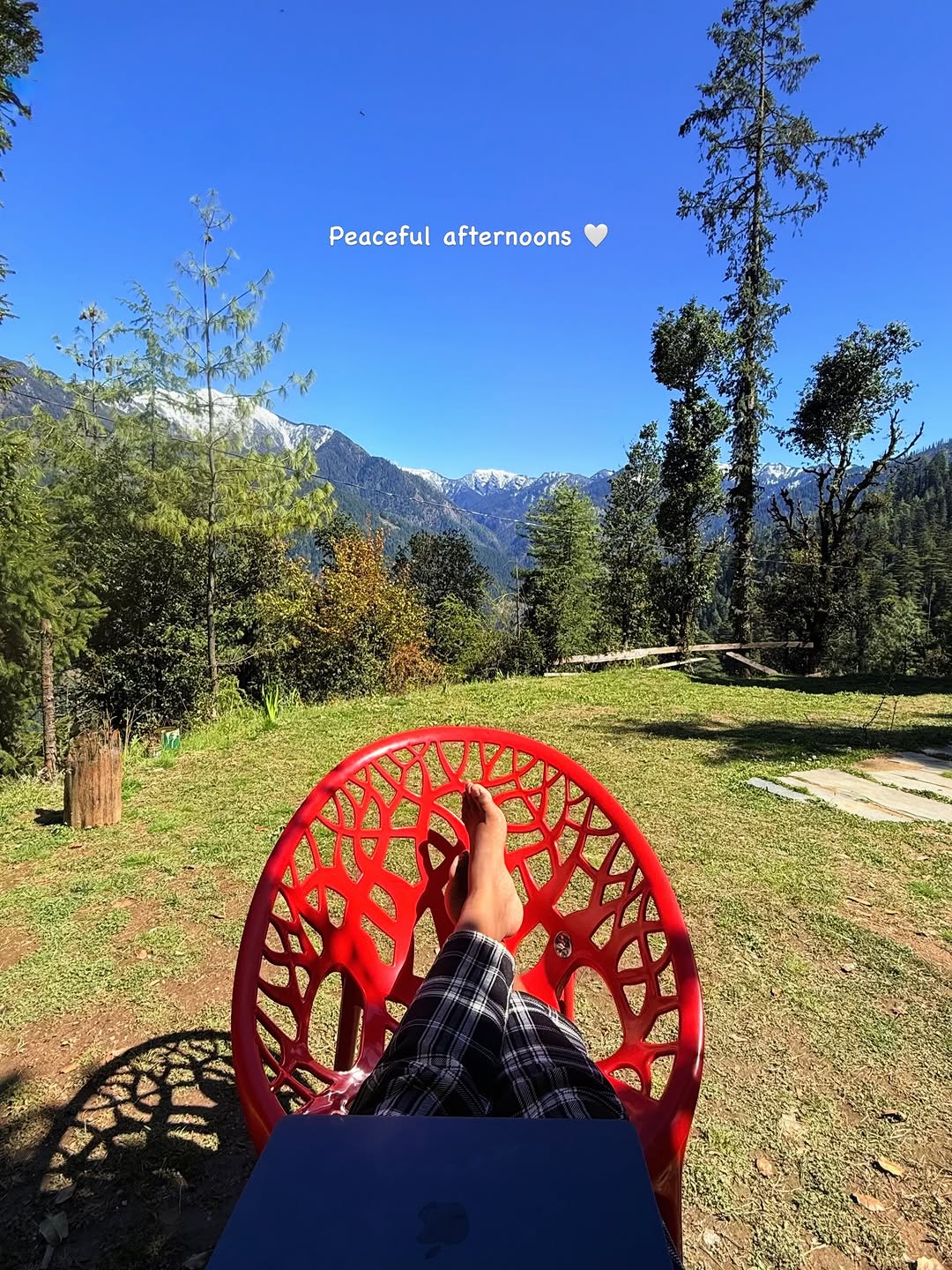
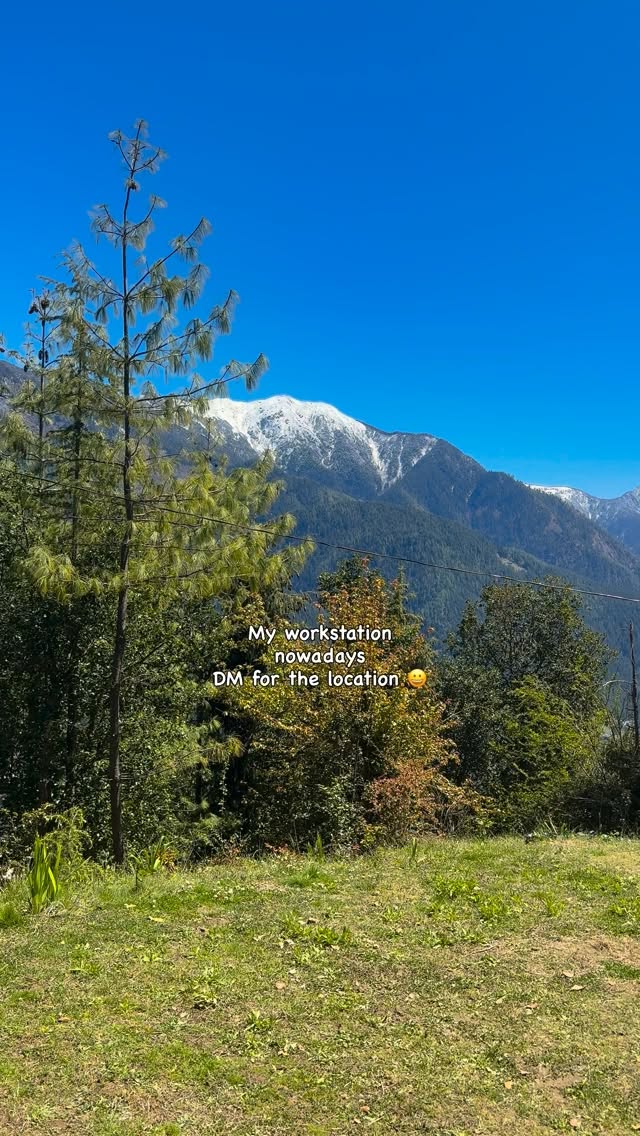
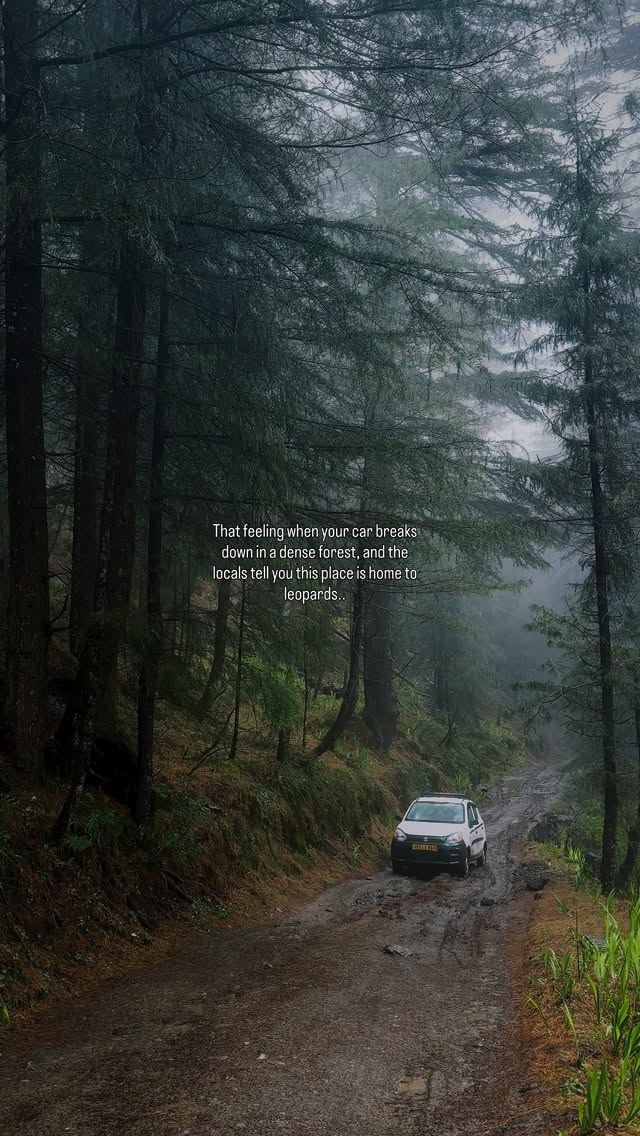
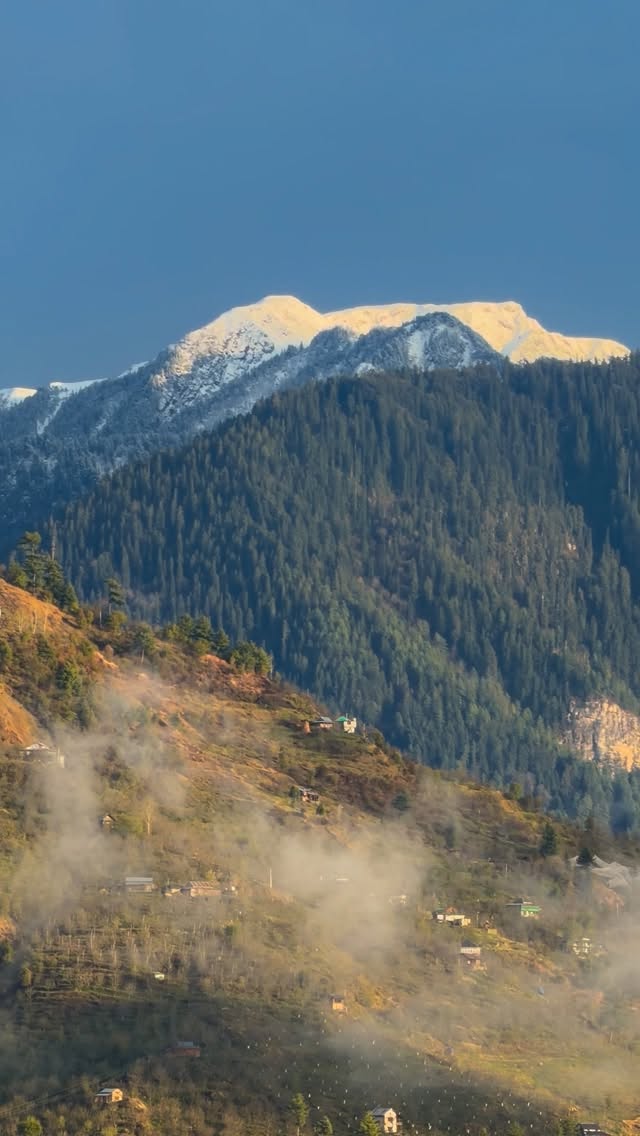
0 This post was published on 12th March, 2026 by Shreya on her Instagram handle "@nomadofthewild (Shreya Talukdar)". Shreya has total 10.5K followers on Instagram and has a total of 433 post.This post has received 24 Likes which are lower than the average likes that Shreya gets. Shreya receives an average engagement rate of 0.26% per post on Instagram. This post has received 0 comments which are lower than the average comments that Shreya gets. Overall the engagement rate for this post was lower than the average for the profile.
24 0  11-04-2026 16 0 11-04-2026 13 1 11-04-2026 10 0 10-04-2026 18 0 10-04-2026 16 2 10-04-2026 23 3 10-04-2026 25 0 10-04-2026 20 1 09-04-2026 13 4 09-04-2026 41 0 08-04-2026 14 0 08-04-2026 36 3 06-04-2026 20 3 05-04-2026 21 0 04-04-2026 12 0 03-04-2026 24 2 03-04-2026 29 2 01-04-2026 18 0 30-03-2026 17 0 29-03-2026 22 9 29-03-2026 21 0 29-03-2026 48 2 28-03-2026 16 2 28-03-2026 118 1 26-03-2026 26 5 25-03-2026 21 0 24-03-2026 21 1 24-03-2026 15 0 22-03-2026 45 8 21-03-2026 36 0 20-03-2026 125 3 19-03-2026 134 6 18-03-2026 16 1 18-03-2026 20 2 17-03-2026 37 1 17-03-2026 18 1 17-03-2026 51 7 16-03-2026 98 2 16-03-2026 38 4 15-03-2026 44 4 15-03-2026 20 2 14-03-2026 49 2 13-03-2026 51 4 13-03-2026 49 2 12-03-2026 24 1 12-03-2026 37 2 11-03-2026 19 0 10-03-2026 77 2 10-03-2026 48 0 10-03-2026 13 3 07-03-2026 68 3 07-03-2026 30 0 06-03-2026 46 1 05-03-2026 36 1 04-03-2026 8 0 04-03-2026 31.9K 31 25-02-2026 128 12 15-02-2026 33.8K 39 12-02-2026